 Skip to content
KOHLER GENERATOR MAINTENANCE IN CONNECTICUT.
Ready When the Power Goes Out.
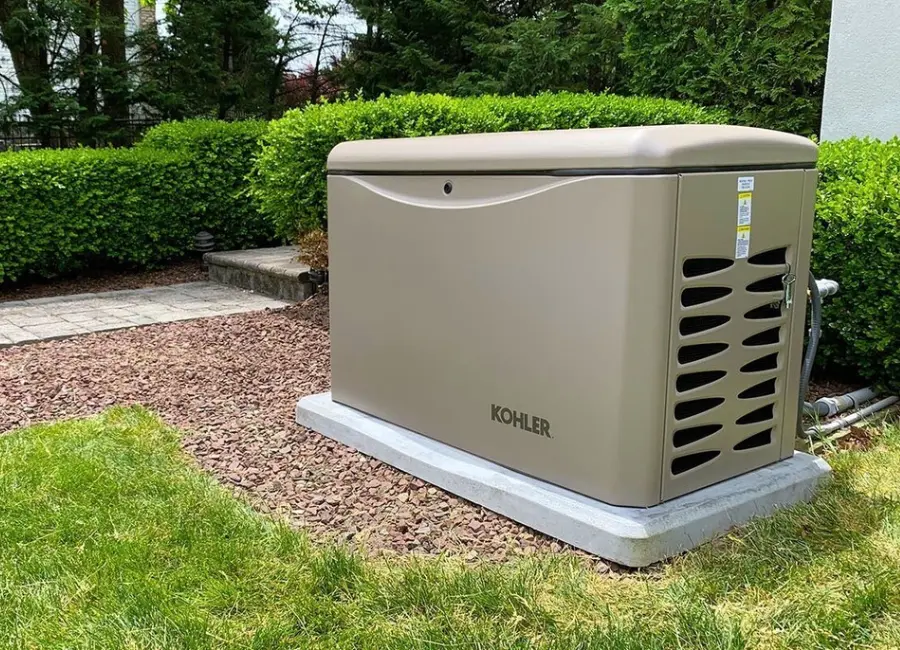
Kohler generator maintenance helps keep your home’s backup power system ready for the next outage. Even if your generator starts during its weekly exercise cycle, that doesn’t necessarily mean every component is working properly.
At Limitless Electric, our licensed electricians evaluate generator electrical systems, explain any issues we find, and provide upfront pricing before repairs begin. We’ll help you understand what needs attention and what can wait.
- 2-Hour Appointment Windows
- Transparent Pricing
- No Salespeople

Reliable Generator Maintenance
How do you know if your generator will work during the next power outage? The best way to reduce unexpected problems is through regular maintenance and inspections. Batteries weaken, oil and filters need attention, and electrical connections can develop problems over time. Kohler recommends annual maintenance for most residential standby generators, with additional service depending on operating hours and model requirements. Taking care of these items before storm season can help prevent an inconvenient breakdown when your home needs backup power most.
Keep Every System Running Strong
Don't Just Take Our Word for It.
See what Connecticut homeowners have to say about their experience with Limitless Electric.
Our Comprehensive Electrical Generator Maintenance Checklist
Don’t guess if your generator is ready for the next storm. Our certified electricians follow a detailed service checklist to inspect every critical component. We handle all the essential steps to keep your system in peak condition, from fluid checks to electrical inspections.
Our full-service maintenance includes:
Fluid & Filter Changes: We replace engine oil, air filters, and fuel filters to ensure smooth operation.
Battery & Starter Inspection: We test the battery and connections to guarantee a reliable start-up every time.
Electrical Connections: We inspect all wiring, transfer switches, and interlock kits for safety and functionality.
Performance Testing: We run the generator to check for proper voltage, frequency, and overall performance.
Flexible Financing: We offer financing options to make your routine maintenance stress-free and easy to budget for.
We’ll provide a full report on your generator’s health, so you’re always informed.
Hassle-Free Maintenance for a Reliable Generator System
Not sure when your generator was last serviced? That’s common, especially for homeowners who inherited a standby generator when purchasing their house. We can help evaluate the electrical system, identify visible warning signs, and determine what additional maintenance may be needed. We’ll explain our findings in plain English so you understand what’s going on without having to guess. Our goal is to help you make an informed decision about your backup power system before the next storm arrives.


Why Choose Us For Your Generator Maintenance?
Generator problems aren’t always caused by the engine itself. Sometimes the issue is a weak battery, a breaker, damaged wiring, or an automatic transfer switch that isn’t operating correctly. As licensed electricians, we understand how these electrical components work together to supply backup power to your home. Limitless Electric provides 2-hour appointment windows, transparent pricing, and straightforward recommendations without high-pressure sales tactics. We’ll take the time to explain what we find and help you understand the next step.
Professional Electrical Generator Maintenance
Your generator sits idle for months, but when the power goes out, it has to work the first time, every time. Limitless Electric keeps standby and portable systems ready with thorough, checklist-driven maintenance that covers both the engine and the electrical side, from the battery and voltage regulator to the automatic transfer switch.
You’ll get a clear report on your generator’s condition, honest recommendations, and service from licensed electricians who know these systems inside and out. We bring a personal touch to every visit, using trusted parts and proven techniques. Our goal is simple: backup power you never have to worry about.
Frequently Asked 'Generator Maintenance' Questions
How often should a generator and automatic transfer switch be serviced?
What electrical checks are included in a professional generator service?
Why does my generator run by itself every week?
Why must a licensed electrician service the Automatic Transfer Switch (ATS)?
What warning signs mean my generator needs immediate service?

Areas We Serve
These are our primary service areas. We serve throughout Hartford County, Tolland County, and many surrounding communities; contact us to confirm availability.